

KS2 · science · 35 minutes · Investigation
Paper bridge investigation
Compare two paper structures using a fair test.
Original lesson packs with teaching, practice and checks. These supplement—not replace—a complete curriculum or exam-board specification. Stage labels follow England; adapt for your country and learner.
Optional, untimed support check—not a test for autism, ADHD or dyslexia. No diagnosis or score. You can skip any question. For assessment, speak with a qualified professional or your school’s learning-support lead.
KS2 · science · 35 minutes · Investigation
Compare two paper structures using a fair test.

KS2 · english · 30 minutes · Story
Write different endings supported by details in a story.

KS2 · maths · 30 minutes · Practical
Add prices and calculate change within a fixed budget.

KS3 · art · 35 minutes · Creative
Revise a design using accessibility needs and feedback.

KS1 · science · 25 minutes · Worked example
Identify roots, stem and leaves and describe what plants need.

KS2 · geography · 30 minutes · Worked example
Use a map key and compass directions to describe a route.

KS2 · history · 30 minutes · Worked example
Separate observation from interpretation when examining an old object.
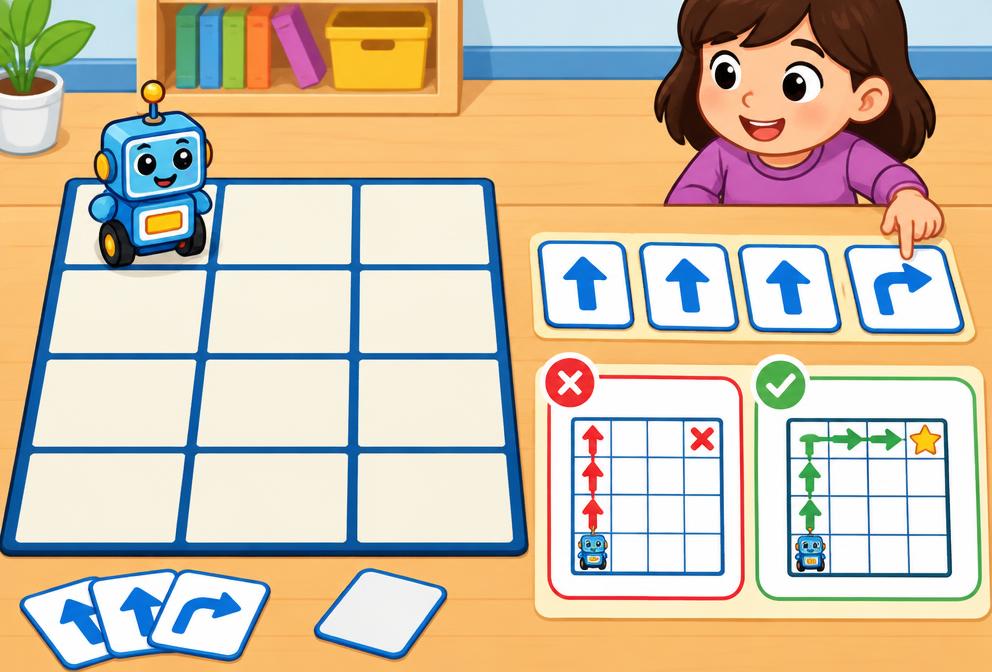
KS1 · computing · 25 minutes · Worked example
Create and debug a precise sequence of instructions.

KS1 · music · 20 minutes · Worked example
Distinguish a steady pulse from a rhythm pattern.

KS2 · art · 30 minutes · Worked example
Use shape, line and tone to record an observation.

KS2 · pe · 20 minutes · Worked example
Plan gentle activity and rest while respecting different bodies.

KS3 · pshe · 30 minutes · Discussion
Describe processing differences without diagnosing or stereotyping people.

EYFS · english · 15 minutes · Worked example
Hear the first sound in a spoken word and match it to a letter.

KS1 · maths · 25 minutes · Worked example
Add within twenty by partitioning one number to make ten.

KS1 · pshe · 20 minutes · Discussion
Describe different families without ranking them or assuming someone’s private life.
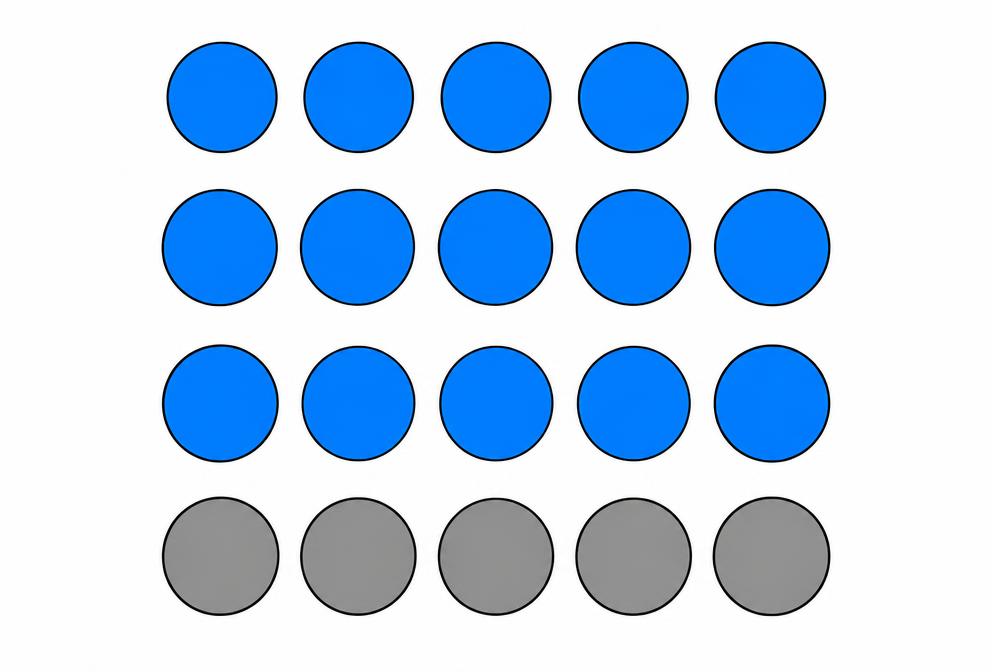
KS2 · maths · 30 minutes · Worked example
Find a fraction of a quantity using equal groups.
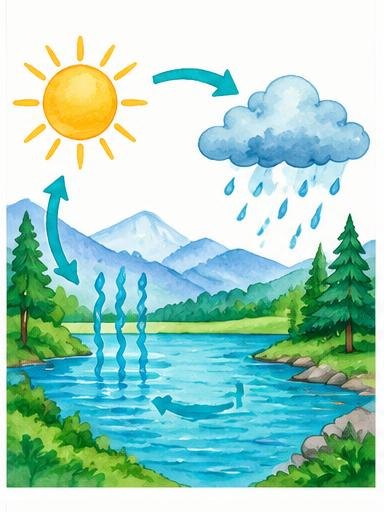
KS2 · science · 35 minutes · Worked example
Explain evaporation, condensation and precipitation using observations.

KS2 · english · 30 minutes · Worked example
Distinguish what a text states from an inference supported by a quotation.

KS3 · pshe · 35 minutes · Discussion
Distinguish gender, attraction and sex characteristics and practise respectful language.

KS3 · computing · 30 minutes · Worked example
Evaluate author, evidence, date and context of an online claim.

KS3 · maths · 35 minutes · Worked example
Solve a two-step linear equation and check by substitution.

KS4 · maths · 40 minutes · Worked example
Calculate percentage increase and decrease and distinguish reverse changes.

KS4 · science · 40 minutes · Worked example
Identify independent, dependent and control variables and limitations.

KS3 · pshe · 30 minutes · Discussion
Choose a safe bystander response without escalating danger or outing someone.
Offer read-aloud and plain-language text, break instructions into short steps, use a clear readable typeface and avoid judging subject knowledge only through spelling.
Agree short work periods and movement breaks; show one task at a time; allow reminders and a low-distraction workspace without punishment for needing support.
Provide a predictable plan, literal instructions, sensory breaks and alternatives to group work. Never force eye contact or disclosure.
Videos need captions or a transcript; pictures need descriptions. Offer large print, keyboard access and spoken or tactile alternatives as appropriate.
Use bilingual vocabulary, pictures and extra processing time; accept pointing, typing or speech. A different home language is a strength.
Offer choice, predictable routines and permission to pause. Use fictional scenarios; never require learners to share personal histories or identities.
Choose your nation, subject, qualification, exam board and exam year. Check prerequisites, required practicals, assessment objectives and entry arrangements with an exam centre. External resources are not automatically copied or downloadable; their licences and access rules apply.
Official programmes of study and attainment targets; use the correct key stage.
Structured lessons, quizzes and lesson videos. Check licensing before copying media.
Subject and exam-board revision across UK nations; streamed videos need internet.
Free adult courses; check each course’s licence and prerequisites.
Maths and science practice; sequences differ from UK exam specifications.
Choose the actual subject, qualification and exam-year specification.
Assessment requirements and exam-board course content.
Edexcel and vocational specifications; check the exact qualification.
Curriculum for Excellence resources; England’s key stages are not Scottish stages.
Curriculum for Wales guidance and resources.
Northern Ireland curriculum and qualification resources.